Buying or selling in Troy, Texas
Troy is a small town having a big decade, and there are things I'd want you to know before you buy here that nobody puts in a listing.
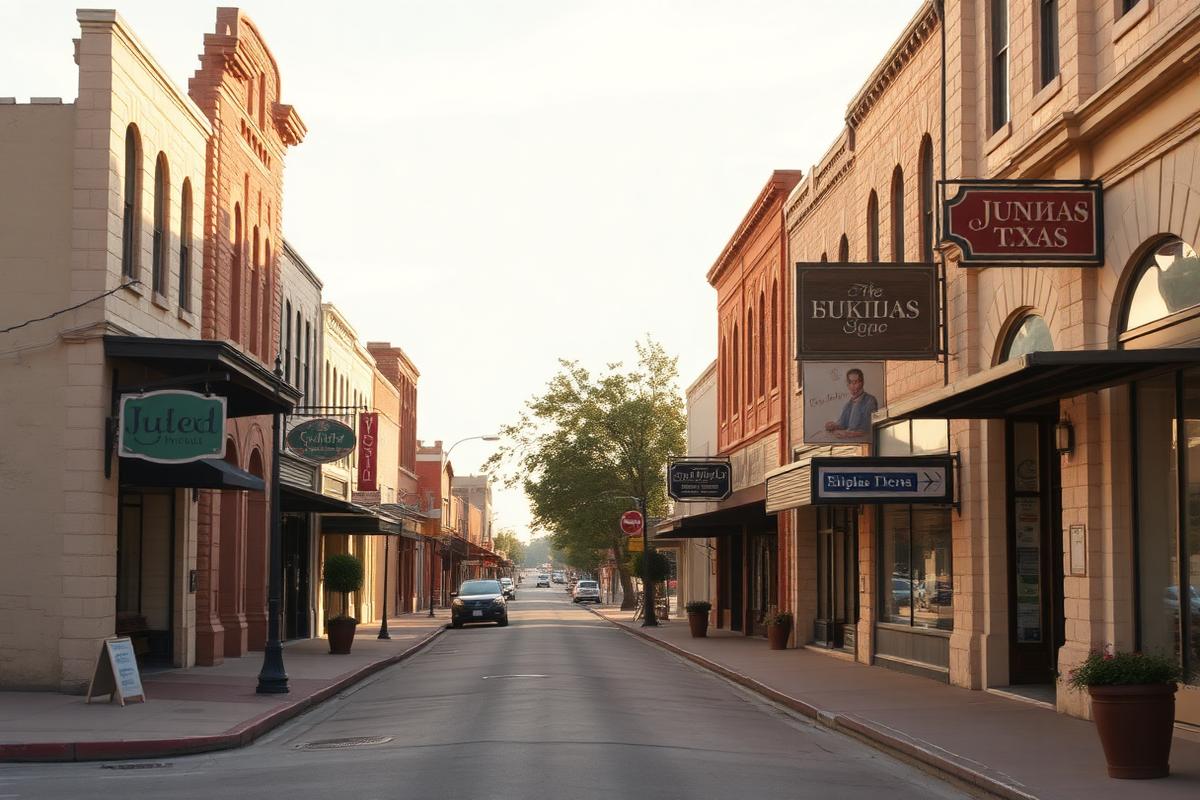
The overview
Troy sits on I-35 eight miles north of Temple and twenty-six miles south of Waco. It started as a railroad town in the 1880s and stayed small for most of a century — 1,395 people in 1990, still under 1,400 in 2000.
Then it went to 2,375 at the 2020 census and an estimated 3,764 by January 2025. That is roughly a fifty percent increase in five years, and it is the single most important fact about this market.
Troy ISD is the draw for most families who move here. It's a small district — around 1,725 students across four campuses — serving Troy, Pendleton, Belfalls and Oenaville.
Who it tends to suit
- Families who want a small school district and an easy I-35 commute to Temple
- Buyers priced out of Temple who don't mind a fifteen-minute drive
- Anyone who wants a small town and is comfortable with one that's changing
Distance to Fort Hood
Troy is the longest drive to post of any town I cover — figure 45-55 minutes, since you're going through or around Temple first. It rarely makes sense on commute alone. Troy makes sense when Troy ISD or the I-35 access is the reason you're here.
Military & PCS relocation guideGrowth is outpacing the infrastructure, and it's worth knowing
I'd rather tell you this before you make an offer than after. Troy's growth has run ahead of its utilities. The city raised water and sewer rates effective May 2026, selected a sewer system upgrade the same month, and city officials have been discussing a further sewer rate increase in 2027 to fund treatment plant improvements.
That's not a reason to avoid Troy. It's a reason to ask specific questions: what are the current monthly utility costs on the house you're looking at, and what has the city said publicly since. I'll help you get current answers rather than relying on what was true when a listing was written.
The growth is also contested locally. A proposed subdivision was tabled three separate times by the city council, with residents raising school capacity and the pace of development. If you're buying near open land, find out what's approved and what's pending before you assume the view stays.
None of this is unusual for a town that grew fifty percent in five years. It's just rarely disclosed to buyers, and I think it should be.
What the numbers say, and why two sources disagree
The typical Troy home value is about $259,000, down 3.8% over the past year (Zillow Home Value Index, as of July 31, 2026). But homes that actually sold in the three months through June 2026 had a median price of $218,631, down 12.5% year over year, taking a median of 138 days on market (Redfin).
Those two look like they contradict each other. They don't — they measure different things. Zillow's index estimates what all homes in Troy are worth; Redfin's median is the middle price of the small number that actually changed hands. In a town this size a handful of sales swings that median hard, so I would not read the -12.5% as the market falling by an eighth.
What I do take from it is that Troy is slow right now. A 138-day median is long by any standard in this county. If you're buying, that's leverage. If you're selling, it means pricing has to be right from day one, because you do not get a second wave of buyers here the way you would in Temple.
If you're comparing, the Temple guide is the natural alternative — bigger market, more inventory, faster movement, higher prices. The buyers page covers how I run a search.
Selling a home in Troy
The honest picture: a median of 138 days on market through June 2026. Plan for a longer timeline than you would in Temple or Belton, and price accordingly from the start rather than testing a number and cutting later. In a slow small market, a price cut announces itself far more loudly than it would in a busy one.
Your buyers are mostly families choosing Troy ISD and people priced out of Temple. Both groups compare carefully and neither is in a hurry. Condition and photography carry more weight here than in a market where scarcity does the selling for you.
Request a home valuation and I'll give you a straight read on both the number and the likely timeline. The sellers page covers the rest.
Other area guides
Troy questions I get a lot
- How far is Troy from Temple?
- Eight miles south on I-35, and about twenty-six miles north to Waco. It's an easy commute to Temple, which is why a lot of Troy buyers work there.
- What school district serves Troy?
- Troy ISD — a small district of roughly 1,725 students across four campuses, serving Troy, Pendleton, Belfalls and Oenaville. It's the main reason most families choose Troy.
- How long do homes take to sell in Troy?
- A median of 138 days for homes selling in the three months through June 2026 (Redfin). That's slow by county standards. Price it right at launch — you don't get a second wave of buyers here.
- Why do Troy home prices look different depending on where I look?
- Zillow's index puts the typical Troy home at about $259,000 as of July 31, 2026, while Redfin's median sale price for the three months through June was $218,631. They measure different things, and Troy has few enough sales that the median swings hard. Neither is wrong; I'd use nearby comparable sales instead of either.
- Is there anything I should check before buying in Troy?
- Utility costs. Troy raised water and sewer rates in May 2026 and officials have discussed a further sewer increase in 2027 to fund treatment plant improvements. Ask what the house actually costs to run each month, and if you're near open land, find out what development is approved or pending.
Thinking about Troy?
Call or text me at 254-594-3235, or email lisa@lisayoder-realestate.com. Tell me what you're trying to do in Troy and I'll tell you what I'd do next.